Trading education in Irkutsk — a practical guide
Whether you want to trade stocks, ETFs, options or crypto from Irkutsk (IRKT, UTC+8), choosing the right education matters. This guide compares course types, local and online providers, essential tools and platforms, trading strategies, and the psychological skills you’ll need. It also gives a step-by-step learning path, a checklist for choosing a course, and local considerations (language, regulation, community).
Quick summary
— Local options: university finance classes, broker webinars (Tinkoff, BCS, Finam), local seminars and Telegram groups.
— Online/global options: TradingView lessons, Binance Academy, Coursera, Udemy, QuantConnect, books and YouTube channels.
— Tools commonly used in Russia: QUIK, MetaTrader 4/5, TradingView, Amibroker, Tinkoff/BCS platforms.
— Beware of “get-rich-quick” gurus, high-pressure sales and unverified track records.
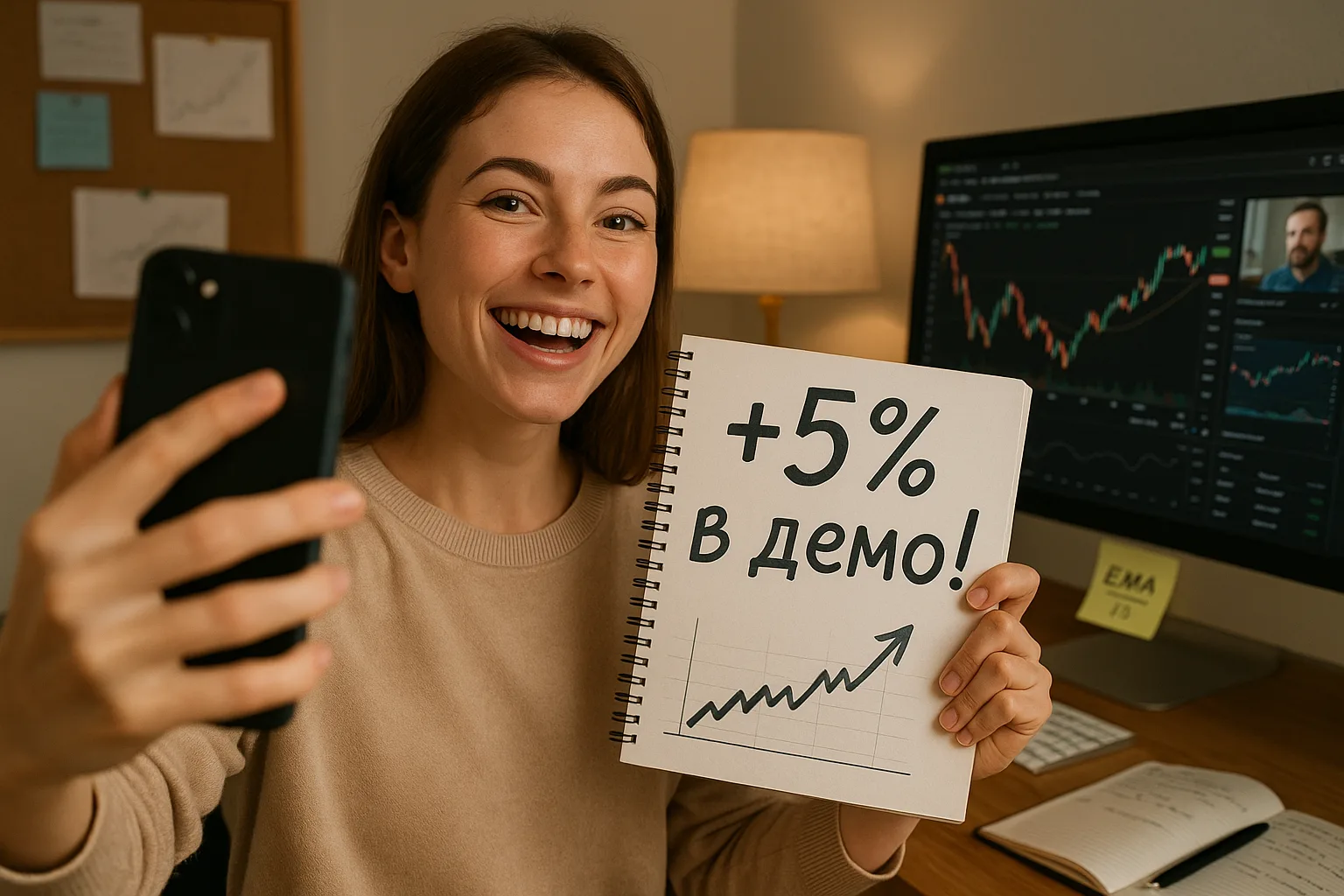
— Practical path: theory → demo practice → small live trades + risk management → specialization (algo, options, crypto).
—
Types of programs and how they compare
— Short workshops / seminars (1–3 days)
— Pros: quick, practical, local networking.
— Cons: surface-level, often upsell-heavy.
— Typical price: low to medium.
— Multi-week courses (4–12 weeks)
— Pros: structured learning, homework, some mentorship.
— Cons: variable quality; check instructor credibility.
— Typical price: medium.
— Mentorship / paid rooms (months)
— Pros: personalized feedback, live trades.
— Cons: expensive, risk of dependency on mentor’s signals.
— Typical price: medium to high.
— University courses / professional programs
— Pros: formal education, theory, recognized credentials.
— Cons: slower, academic focus, less live trading practice.
— Self-study + online platforms
— Pros: cheapest, flexible; huge resource pool.
— Cons: requires discipline; harder to filter quality info.
— Algorithmic / quant bootcamps
— Pros: clear career path; replicable edge.
— Cons: requires programming/stat skills; higher initial barrier.
—
Local (Irkutsk) options to look for
— University economics/finance departments — check short courses and lectures.
— Local broker events and webinars — Tinkoff, BCS, Finam and others run regular webinars accessible remotely; check regional offices or online schedules.
— Coworking spaces and business schools — occasional trading and fintech events.
— Telegram and VKontakte groups for Irkutsk traders — active for meetups, signal sharing, and job postings.
— Local independent tutors and trading coaches — vet with references and trade-history proof.
Note: Most high-quality material will be in Russian; international English resources are also useful for technical topics.
—
Platforms and tools — what you should know
— Market terminals / broker platforms
— QUIK — widely used in Russia for MOEX trading.
— Tinkoff Invest, BCS, Finam, VTB — retail investment apps and web terminals.
— Interactive Brokers — for international exposure (availability and terms can change).
— Charting and analysis
— TradingView — charting, screeners, community ideas (excellent for both stocks and crypto).
— MetaTrader 4/5 — forex and derivatives, automated strategy support.
— Amibroker, Quantower — advanced charting / backtesting.
— Programming / backtesting
— Python (pandas, backtrader), Jupyter, QuantConnect (cloud backtesting), R.
— Crypto-specific
— Binance, EXMO, Gate.io, decentralized wallets (MetaMask) — check KYC limits and legal status.
— CoinMarketCap / CoinGecko for market data.
— Research & news
— Moscow Exchange (MOEX) resources, Rusbase, RBC, TASS, CoinDesk, Cointelegraph.
— Risk & tax tools
— Portfolio trackers, local accounting apps; consult a tax specialist for capital gains reporting in Russia.
—
Common strategies covered in courses
— Buy-and-hold / position investing — fundamentals, valuation, dividend strategies.
— Swing trading — capture multi-day to multi-week moves using technicals.
— Day trading & scalping — intraday patterns, tick data, strict risk management.
— Options strategies — covered in advanced programs (spreads, hedges).
— Algorithmic trading & algo implementation — statistical strategies and execution.
— Crypto strategies — HODL, spot trading, margin, staking and DeFi (higher risk and regulatory nuance).
—
Psychology and risk management — non-negotiables
— Position sizing (Kelly, fixed fractional).
— Risk per trade (e.g., 1–2% of capital) and maximum drawdown rules.
— Trading